


Yes, you can get antibiotics online after a licensed doctor evaluates your symptoms and determines that they’re medically necessary. Conditions like strep throat, UTIs, sinus infections, and skin infections may be treated with antibiotics if appropriate. With Patient To Prescription, you can speak to a board-certified physician from home and, if needed, get a prescription sent directly to your pharmacy—quickly and securely.
Who is this right for?
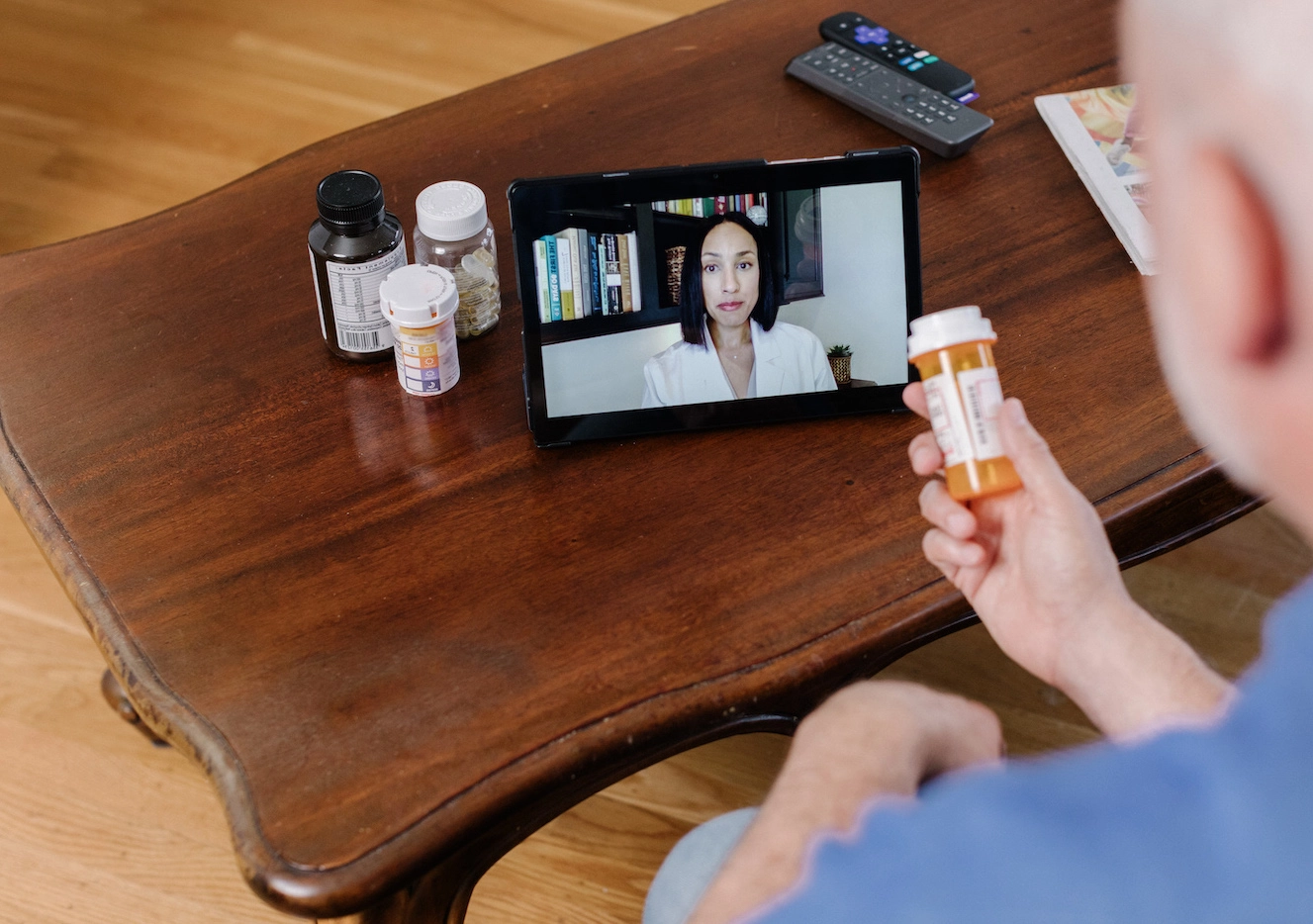
Patient To Prescription is ideal for patients who need an online doctor prescription or refill in minutes or want to consult with a doctor for more information on current medications.
People commonly use online prescriptions for conditions like anxiety, depression, ADHD, birth control, erectile dysfunction, UTIs, acne, allergies, and chronic issues like asthma or high blood pressure. While many conditions can be managed online, complex cases or controlled substances may require in-person care.
An online visit for a prescription refill
costs between $0–$99
Patient To Prescription is a covered benefit for over 98 million Americans. If you’re covered by your employer or insurance, then you’ll pay $0. No insurance, no problem. You can use Patient To Prescription starting at $99 per visit.

Common online prescription refills
Commonly prescribed antibiotics and medications for a prescription refill include:
- Acid Reflux medication includes PPI and H2 Blockers (Omeprazole, Ranitidine)
- Acne medication includes topical antibiotics and topical retinoids (Benzoyl peroxide, Tretinoin or retin-A)
- Asthma Medication includes Bronchodilators, inhaled corticosteroids (Albuterol, Advair)
- Birth control includes Pills, Patch, Ring (Sprintec, Yasmin, Nuvaring)
- Blood pressure medication includes Ace inhibitors, Beta Blockers, Ca Channel blockers (Lisinopril, Hydrochlorothiazide, Amlodipine)
- Cholesterol medication includes Statins (Atorvastatin, Rosuvastatin)
- Depression & Anxiety medication includes SSRIs, SNRIs, anxiolytics (Citalopram, Wellbutrin)
- Diabetes medication (Metformin)
- Seasonal Allergies includes Antihistamines and Nasal steroids (Loratidine, Montelukast, Fluticasone)
- Thyroid medication (Levothyroxine, Synthroid)

What to expect
During a visit for an online prescription, patients can expect the clinician to:

How an online prescription telehealth visit works
1.
2.
3.